The Evolution of Incremental Games: From Cookie Clicker to Money Printer Go Brrr
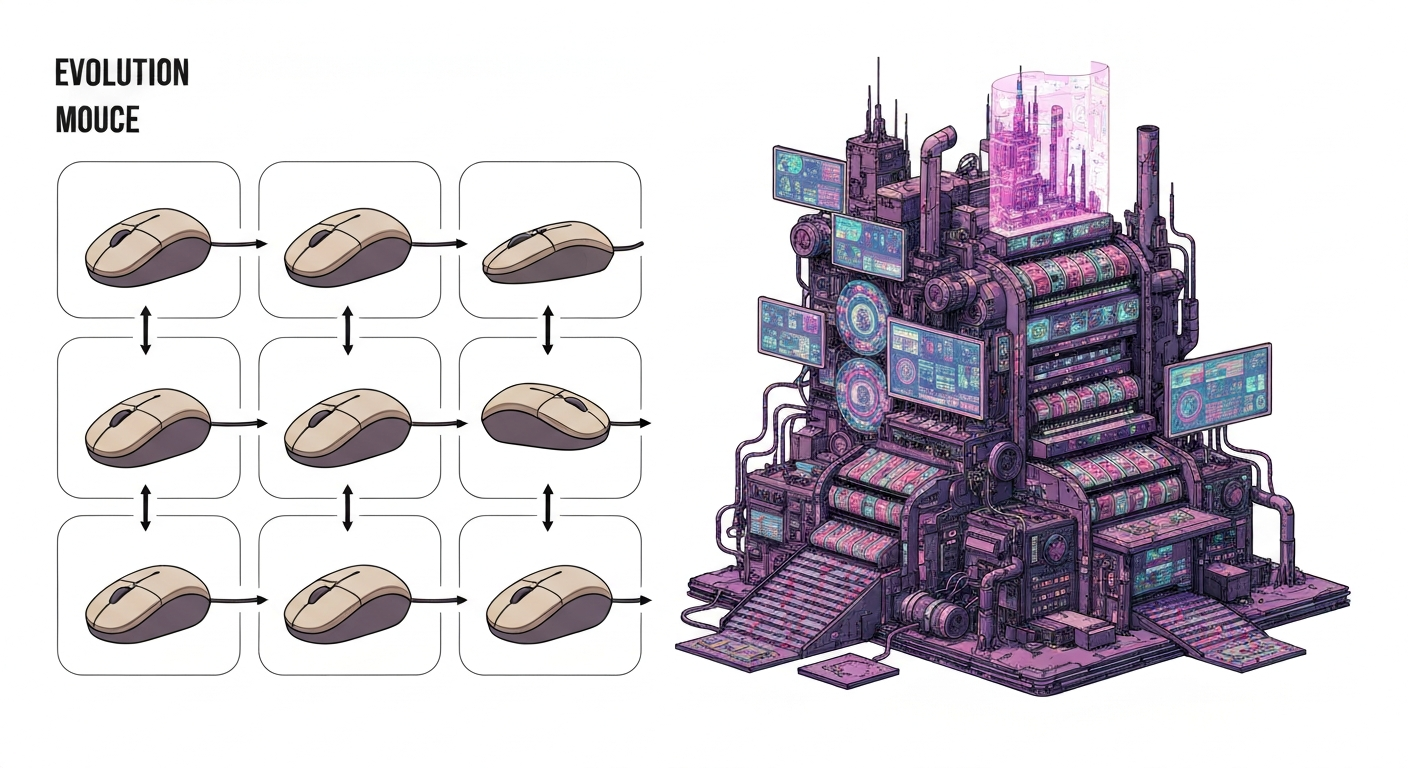
A History of Clicking
The landscape of online clicker games has completely transformed over the last decade. What started as a niche internet novelty has exploded into one of the most resilient and psychologically fascinating genres in all of gaming. But how did we get here?
The Golden Age of Browsers
The origins of the genre can be traced back to the early 2010s. Games like Cow Clicker (originally created as a satire of social games) and the legendary Cookie Clicker proved that players didn't need complex narratives or high-end graphics to stay engaged. All they needed was a number that went up. This era defined the core incremental games strategy: click, buy an upgrade, click less, watch the numbers explode.
The Shift to Complex Economies
As the genre matured, developers realized that simply clicking wasn't enough. Players craved depth. The next generation of idle games introduced complex resource management, skill trees, and prestige mechanics. The game was no longer about the physical act of clicking; it was about optimizing a system. It became a puzzle of efficiency.
The Modern Era: Satire and Chaos
Today, the best incremental games combine deep progression systems with engaging themes and unpredictable mechanics. Money Printer Go Brrr is a perfect example of this modern evolution. It takes the deeply satisfying dopamine loop of traditional idle games and injects it with macroeconomic satire, dynamic "slot machine" style random events (like the Golden Briefcase), and a visual flair that makes breaking the economy feel like an absolute spectacle.
The genre has evolved from a simple distraction into a masterclass in game design and player psychology. Want to experience the pinnacle of modern incremental gaming? Fire up the money printer and see for yourself.