The Psychology of Idle Games: Why We Love Seeing Numbers Go Up
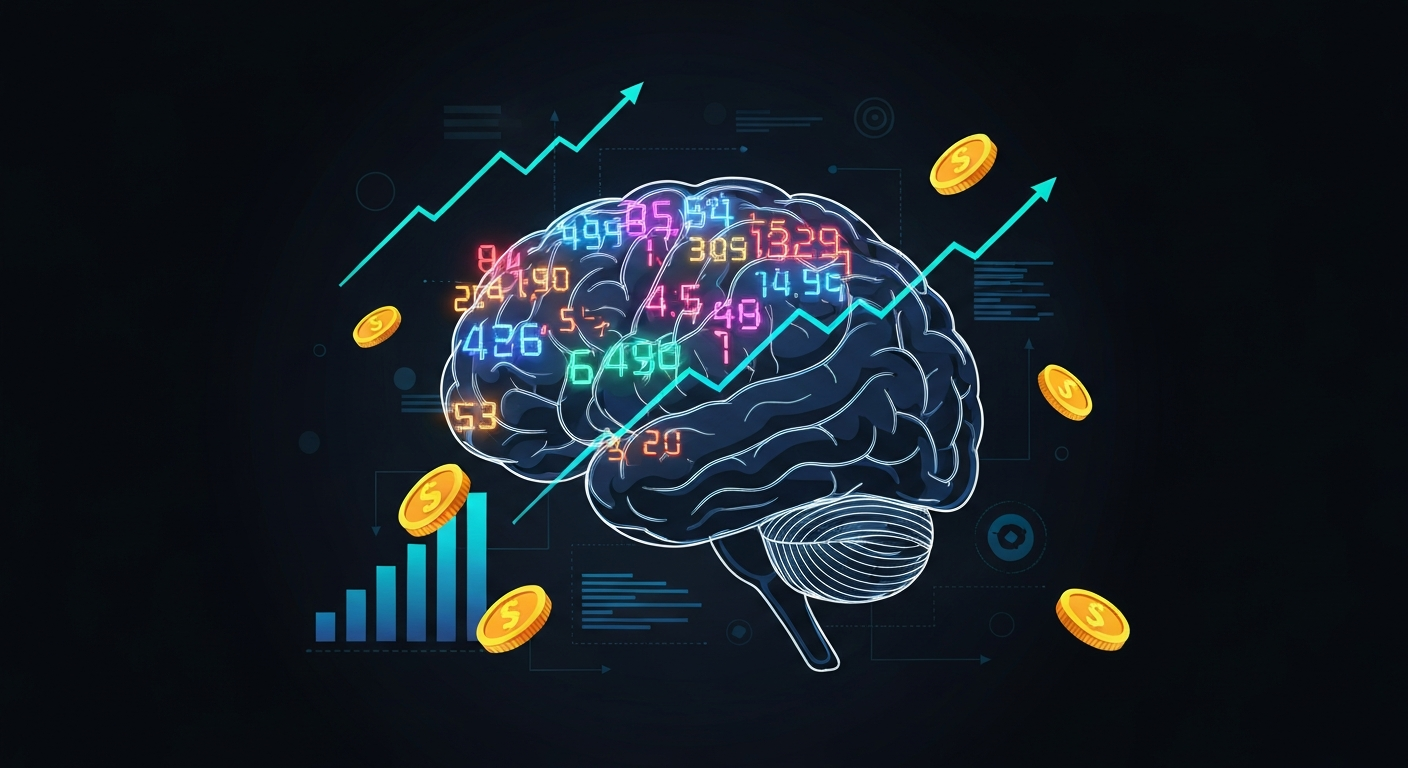
If you’ve ever found yourself staring at a screen at 2 AM, frantically clicking a button to watch a virtual bank account grow, you are not alone. The rise of online clicker games has taken the internet by storm, but what exactly makes them so addictive?
The Dopamine Loop of Incremental Games
At the core of every great idle game is the dopamine loop. Our brains are hardwired to seek out rewards, and clicker games deliver these rewards in a perfectly paced, escalating manner. When you first start playing, the rewards are immediate. One click equals one dollar. But as you progress, the game shifts from active clicking to passive income management.
This transition is crucial. It changes the psychological reward from simple action-reaction to strategic planning and long-term gratification. You aren't just clicking anymore; you are building an empire.
The Illusion of Productivity
Idle games often mimic real-world economic systems. In Money Printer Go Brrr, you hire interns, manipulate the Federal Reserve, and manage a sprawling financial syndicate. Even though it's virtual, the progression feels meaningful. This taps into our innate desire for productivity and growth. We love seeing our efforts compound over time, especially when we can step away and come back to a massive pile of offline earnings.
The Element of Surprise
A predictable game quickly becomes boring. That's why the best clicker games introduce elements of randomness and chaos. For instance, the sudden appearance of a Golden Briefcase injects a jolt of excitement into the steady rhythm of the game. Will it be a massive multiplier, or will it be an IRS audit? This variable reward schedule is the same psychological principle that makes slot machines so compelling.
Community and Status
Finally, there's the social aspect. Reaching ridiculous numbers and unlocking absurd achievements becomes a badge of honor. Sharing that you just broke the economy or reached a quadrillion dollars taps into our desire for status and recognition among our peers.
So the next time you find yourself mesmerized by the rising numbers, don't feel guilty. Your brain is just doing what it does best: optimizing for rewards. Now, if you'll excuse us, the money printer needs our attention.